Introduction
Water leakage in homes is one of those problems people love to ignore until it becomes impossible to ignore. A small damp patch, a slight musty smell, or minor paint peeling often gets dismissed as “nothing serious.” Unfortunately, water doesn’t work that way.
By the time visible signs appear, the damage has usually spread deeper into walls, ceilings, and structures. Understanding where water actually enters your home is the first step to preventing costly repairs and maintaining a safe, durable living space.
1. Terrace: The Most Common Entry Point
Your terrace is constantly exposed to rain, heat, and weather changes. Over time, waterproofing layers wear out, cracks develop, and water begins to seep through.
Common issues include:
- Cracked flooring
- Improper slope leading to water stagnation
- Damaged waterproofing membrane
Even a small crack can allow water to penetrate and slowly travel down into ceilings and walls.
Solution:
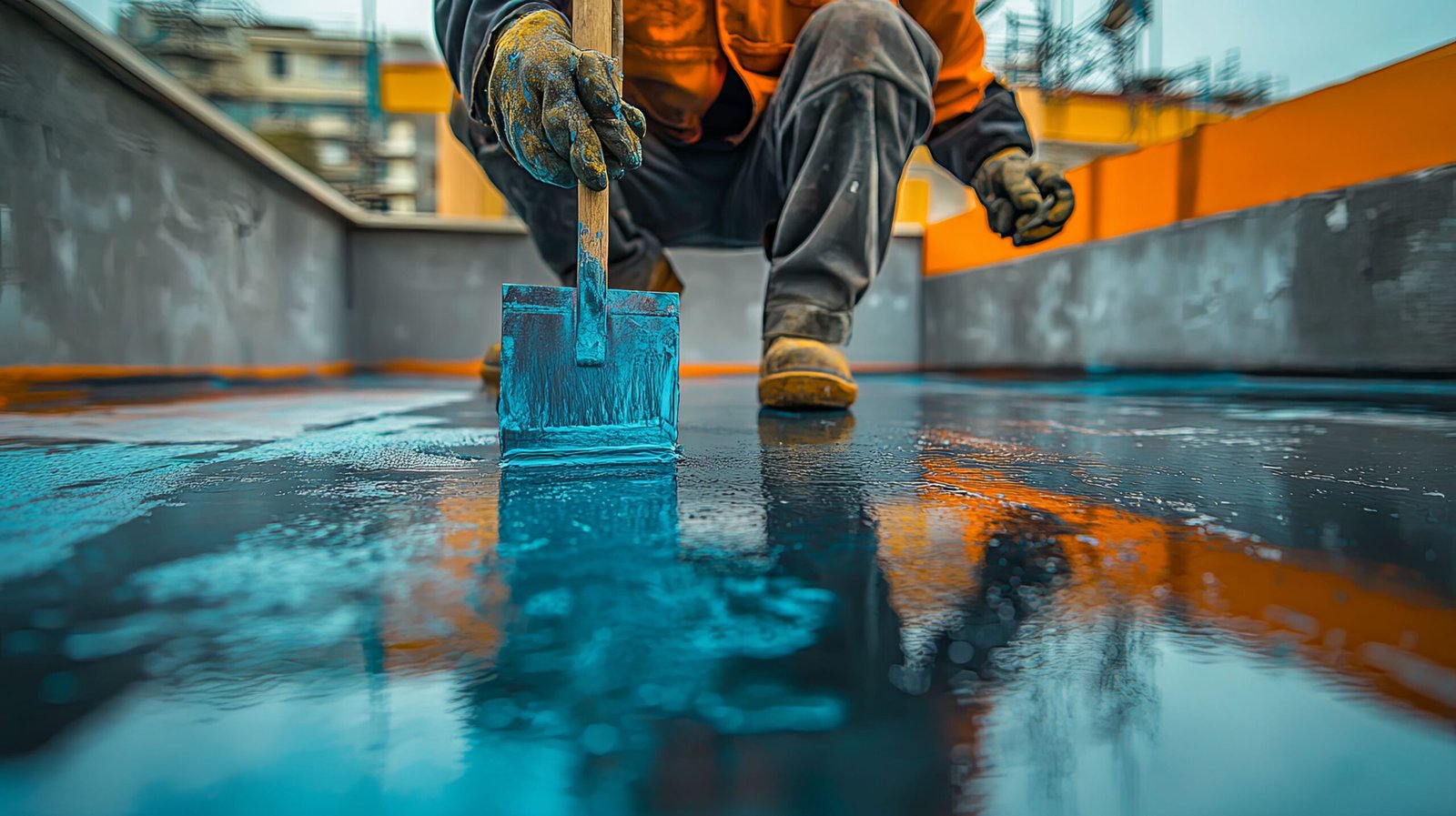
Professional terrace waterproofing using high-quality materials ensures long-term protection and prevents recurring leakage.
2. Bathrooms: Hidden but Dangerous Leakage Zones
Bathrooms are high-moisture areas, making them extremely vulnerable to seepage issues. The problem is that bathroom leaks are often hidden behind tiles or beneath flooring.
Signs of bathroom leakage:
- Damp patches on adjacent walls
- Peeling paint outside the bathroom
- Persistent musty smell
Poor tile grouting, damaged sealants, and improper plumbing connections are common causes.
Solution:
Proper sealing, re-grouting, and internal waterproofing systems can effectively stop water from escaping bathroom areas.
3. External Walls: Silent Damage from Rain
External walls face direct exposure to rain, humidity, and environmental wear. Over time, tiny cracks form, allowing water to seep in gradually.
What to watch for:
- Vertical or hairline cracks
- Damp patches on interior walls
- Paint bubbling or discoloration
This type of leakage is slow but dangerous, as it weakens the structural integrity of the building over time.
Solution:
Exterior waterproof coatings and crack-filling treatments act as a barrier against rainwater penetration.
4. Windows and Joints: Small Gaps, Big Problems
Most homeowners underestimate how much damage can come from small gaps around windows, doors, and structural joints.
Common causes:
- Poor sealing during installation
- Worn-out silicone or sealant
- Gaps between frame and wall
During heavy rains, water easily enters through these openings and spreads across walls.
Solution:
Sealing joints with high-quality waterproof materials ensures these vulnerable points are protected.
5. Roof and Ceiling Cracks
Cracks in roofs and ceilings may look minor but can quickly become major leakage points.
Warning signs:
- Water stains on ceilings
- Dripping during rains
- Visible cracks expanding over time
Ignoring these cracks can lead to severe structural issues.
Solution:
Timely crack repair combined with waterproofing treatment prevents further damage.
Why Identifying the Source Matters
One of the biggest mistakes homeowners make is treating only the visible damage instead of addressing the root cause. Repainting a damp wall without fixing the leakage source is like putting a bandage on a deeper wound.
Water travels. The spot where you see damage is not always where the problem started.
Professional inspection helps identify:
- Exact leakage source
- Extent of internal damage
- Right waterproofing method
The Cost of Ignoring Water Leakage
Ignoring small signs can lead to:
- Structural damage
- Mold and mildew growth
- Health issues due to poor air quality
- Expensive repairs in the future
Water damage spreads silently, and delays only increase the repair cost.
Benefits of Proper Waterproofing
Investing in waterproofing offers long-term benefits:
- Protects structural integrity
- Increases property lifespan
- Reduces maintenance costs
- Improves indoor air quality
- Enhances overall home value
It’s not just a repair. It’s a preventive investment.
Conclusion
Water leakage is not just a seasonal inconvenience. It’s a serious issue that can impact your home’s safety, durability, and comfort.
Understanding where water enters your home helps you act early and avoid unnecessary expenses. Whether it’s your terrace, bathroom, walls, or windows, every vulnerable point needs proper attention and professional treatment.
The earlier you fix it, the easier and more affordable it is.
Don’t wait for small leaks to turn into major damage. Get a professional waterproofing inspection and fix the problem at its source for long-lasting protection.