
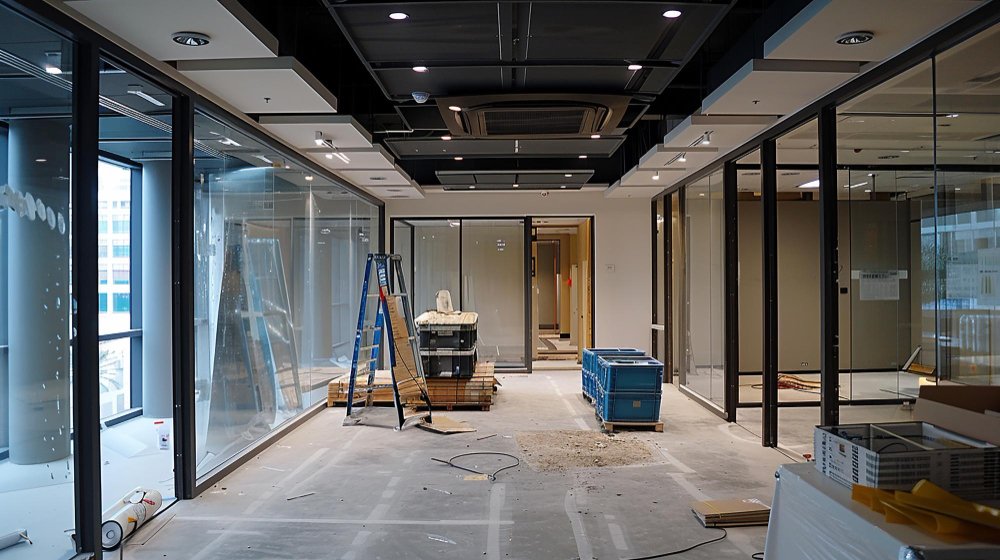
A well-designed corporate office plays a crucial role in improving employee productivity, enhancing brand image, and creating a comfortable work environment. Over time, office interiors may become outdated, inefficient, or unable to support modern workplace requirements. Corporate office renovation helps businesses transform their workspaces into functional, professional, and visually appealing environments.
However, renovating an office requires careful planning and coordination. Without a clear strategy, businesses may face delays, budget overruns, or operational disruptions. Following a structured corporate office renovation checklist ensures that the project runs smoothly and delivers the desired results.
This guide outlines the key factors businesses should consider before starting a corporate office renovation project.
1. Define the Purpose of the Office Renovation
The first step in any corporate office renovation is identifying the purpose behind the project. Businesses renovate offices for several reasons, such as improving employee productivity, modernizing the workplace, expanding workspace capacity, or enhancing brand presentation.
Understanding the goal of the renovation helps determine the design approach, layout changes, and renovation priorities. Some companies may focus on improving employee collaboration spaces, while others may prioritize client-facing areas such as reception zones and meeting rooms.
Clearly defining renovation objectives helps guide the entire planning and design process.
2. Evaluate the Current Office Layout
Before starting the renovation, it is important to assess the current office layout and identify areas that require improvement. Many offices suffer from inefficient space utilization, poor lighting, cluttered workstations, or limited meeting areas.
Conducting a workspace evaluation helps determine whether the office requires structural modifications, interior upgrades, or layout redesign. Businesses should review aspects such as workstation placement, storage areas, employee movement flow, and collaborative spaces.
An efficient layout improves workflow, reduces congestion, and creates a more organized work environment.
3. Establish a Realistic Renovation Budget
Budget planning is one of the most critical steps in corporate office renovation. A well-defined budget helps control project costs and ensures that all required renovation work is completed without financial stress.
Businesses should consider multiple cost factors, including:
- Civil work and structural modifications
- Interior design and materials
- Flooring and wall finishes
- Electrical and lighting upgrades
- Furniture and workstation installations
- Labor and project management costs
Setting a clear renovation budget allows businesses to prioritize important upgrades while avoiding unnecessary expenses.
4. Plan the Office Layout and Design
Office design directly impacts employee comfort, productivity, and collaboration. Modern corporate office renovation focuses on creating workspaces that balance functionality with aesthetics.
Key design elements to consider include:
- Open workstations for collaboration
- Private meeting rooms for discussions
- Breakout spaces for informal interaction
- Ergonomic furniture for employee comfort
- Modern lighting systems for better visibility
A well-planned office layout improves space efficiency and supports a productive workplace environment.
5. Upgrade Electrical and Lighting Systems
Lighting and electrical infrastructure play an important role in workplace productivity and safety. Poor lighting can affect employee focus and increase fatigue during long working hours.
Corporate office renovation projects often include upgrades such as:
- LED lighting installation
- Improved workstation lighting
- Power outlet planning for workstations
- Energy-efficient electrical systems
- Backup power arrangements
Upgrading electrical systems ensures better energy efficiency and supports modern office equipment requirements.
6. Improve Storage and Space Utilization
Cluttered offices reduce efficiency and create a disorganized work environment. Proper storage solutions are essential for maintaining an organized workplace.
Office renovation projects often incorporate smart storage solutions such as:
- Modular storage cabinets
- Wall-mounted storage units
- Shared filing systems
- Multi-functional furniture
Effective storage planning helps maximize available space and maintain a clean, professional office environment.
7. Focus on Employee Comfort and Ergonomics
Employee comfort is an important factor in workplace productivity. Offices designed with ergonomic principles help reduce fatigue and support long-term employee health.
Key ergonomic improvements include:
- Adjustable chairs and workstations
- Proper desk height and spacing
- Adequate lighting for workstations
- Improved ventilation and air circulation
Comfortable workspaces contribute to employee satisfaction and overall workplace efficiency.
8. Plan Renovation Timing to Minimize Disruption
Office renovation can temporarily disrupt daily business operations. Planning the renovation schedule carefully helps minimize productivity loss.
Many businesses choose to carry out renovation work during weekends, holidays, or phased timelines to ensure operations continue smoothly. Clear communication with employees about renovation schedules also helps manage expectations and maintain workflow continuity.
9. Hire Professional Renovation Experts
Corporate office renovation involves multiple elements including civil work, electrical upgrades, design planning, and project management. Hiring experienced renovation professionals ensures that the project is executed efficiently and meets quality standards.
Professional contractors assess the existing structure, identify potential issues, and recommend appropriate renovation solutions. Their expertise helps prevent costly mistakes and ensures long-term durability.
10. Ensure Safety and Compliance
Corporate office renovation must comply with building regulations, safety standards, and workplace guidelines. Proper safety measures should be followed during construction to protect workers and office occupants.
Important considerations include:
- Structural safety checks
- Electrical safety compliance
- Fire safety planning
- Proper ventilation and lighting standards
Following safety guidelines ensures that the renovated office meets both regulatory requirements and employee safety standards.
Conclusion
A corporate office renovation can significantly improve workplace efficiency, employee comfort, and brand perception. However, successful renovation projects require proper planning, budgeting, and professional execution.
By following a structured renovation checklist, businesses can ensure smooth project management while minimizing operational disruptions. Careful planning allows companies to transform outdated workspaces into modern, functional offices that support productivity and growth.
Investing in corporate office renovation not only enhances the work environment but also strengthens the professional image of the organization.
Planning to upgrade your corporate workspace? A well-designed office can improve productivity, employee comfort, and brand image.